
The leaking concrete towers of South Kilburn have been replaced with mansion blocks clad in now-ubiquitous Mystique bricks. Will they succeed where other attempts at regeneration have failed?
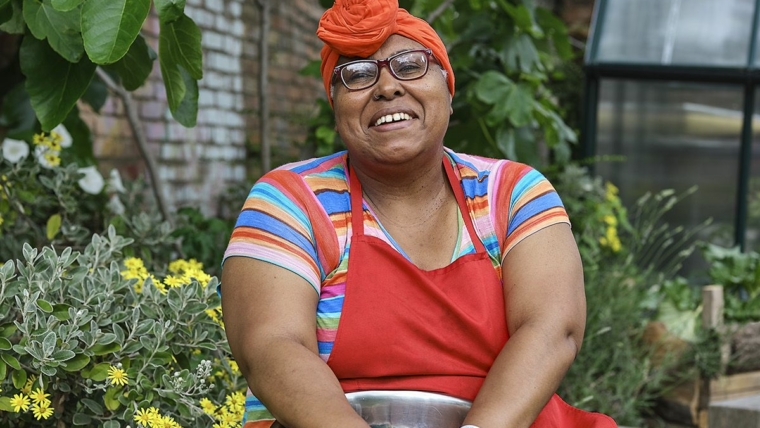
“You could spill a bucket of water on the 10th floor,” says Leslie Barson, who has worked on the estate for 29 years, running a home education centre and community kitchen, “and someone on the fourth floor would get a damp patch.”
“There are seven housing associations on the estate and they don’t talk to each other,” says Barson. “When rats run from one block’s bins to another, they won’t do anything because it’s someone else’s problem.”
Barson and her colleagues at the Granville community centre have been battling for a decade to get the residents’ voices heard in the process of regeneration, with some success. The Victorian building where they have run a community kitchen since 2014 will now be saved, although it will be swamped by further flats, and she is critical of the lack of proper community space in the new developments. “Kids from different blocks could play together before,” she says, “but now all the gardens are gated. There is a new ‘hub’ for council services, but nowhere you can have a birthday party or a coffee morning.”
Pablo Sendra, a housing activist and academic at UCL, has been working with residents to develop an alternative community-led plan for part of the estate that has yet to face the wrecking ball (PDF). Working with architects, social scientists and a quantity surveyor, they have shown how two of the 1960s blocks that didn’t use the concrete panel system (William Dunbar and William Saville houses) could be eminently retrofitted and, along with some infill development, provide a higher proportion of social-rented homes than the council’s demolish-and-rebuild strategy, with a fraction of the embodied carbon cost. But the council refuses to reconsider.